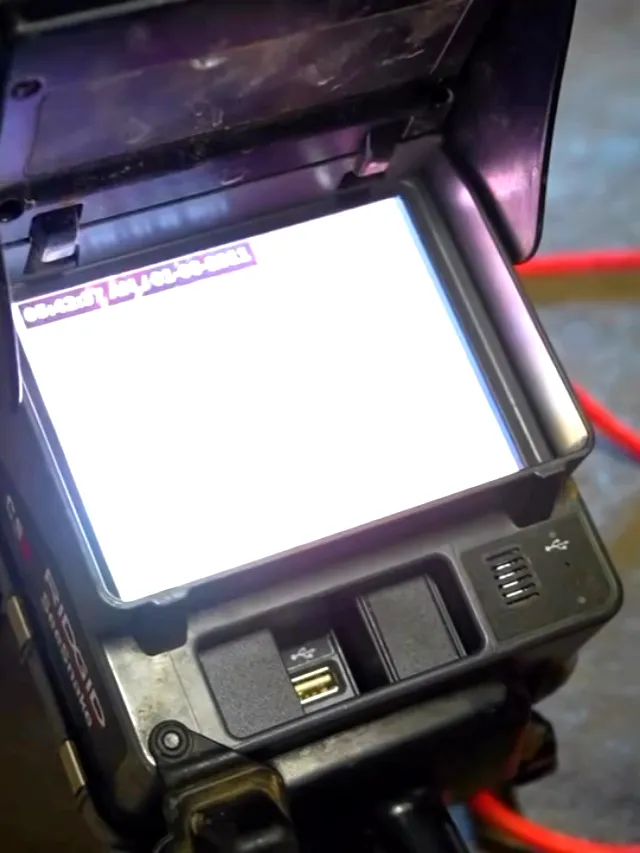
Camera Inspection
A camera down the line before anyone quotes a repair, so you are looking at the pipe and not an opinion.
The mainline is the one pipe every other drain in the building empties into, so when it goes, everything goes at once: the shower fills when the washer drains, the lowest fixture in the house backs up first, and no amount of clearing upstream changes it. It is also the pipe nobody has looked at, because it is under a slab, a drive or a yard.
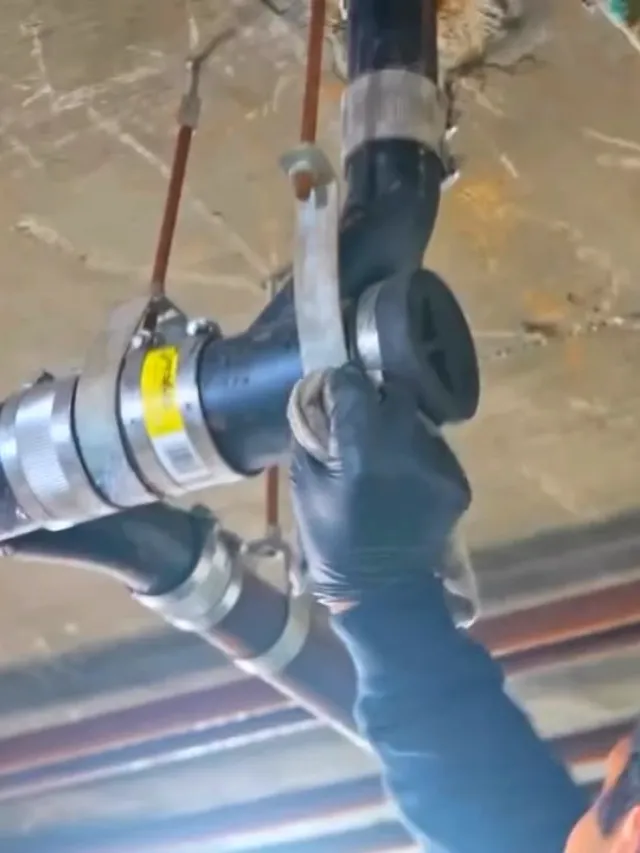
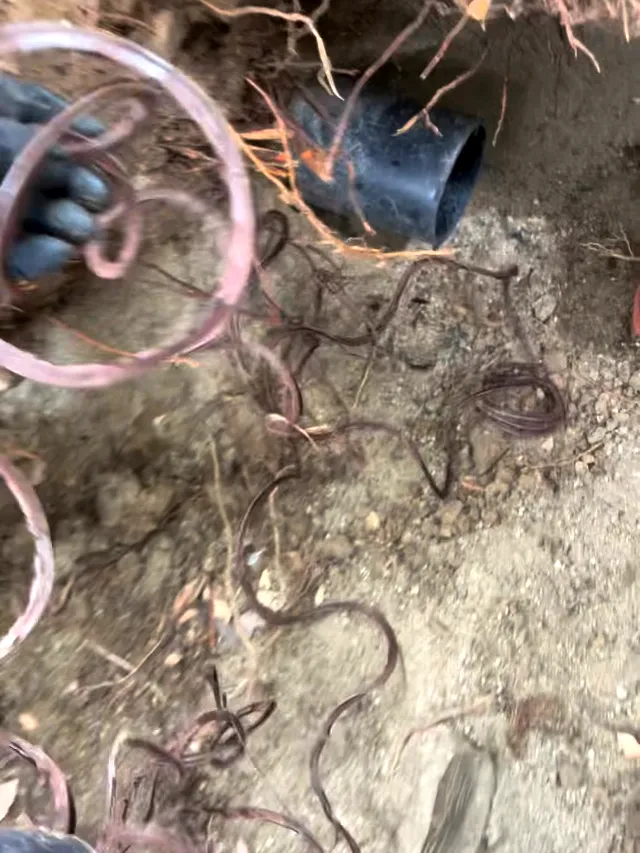
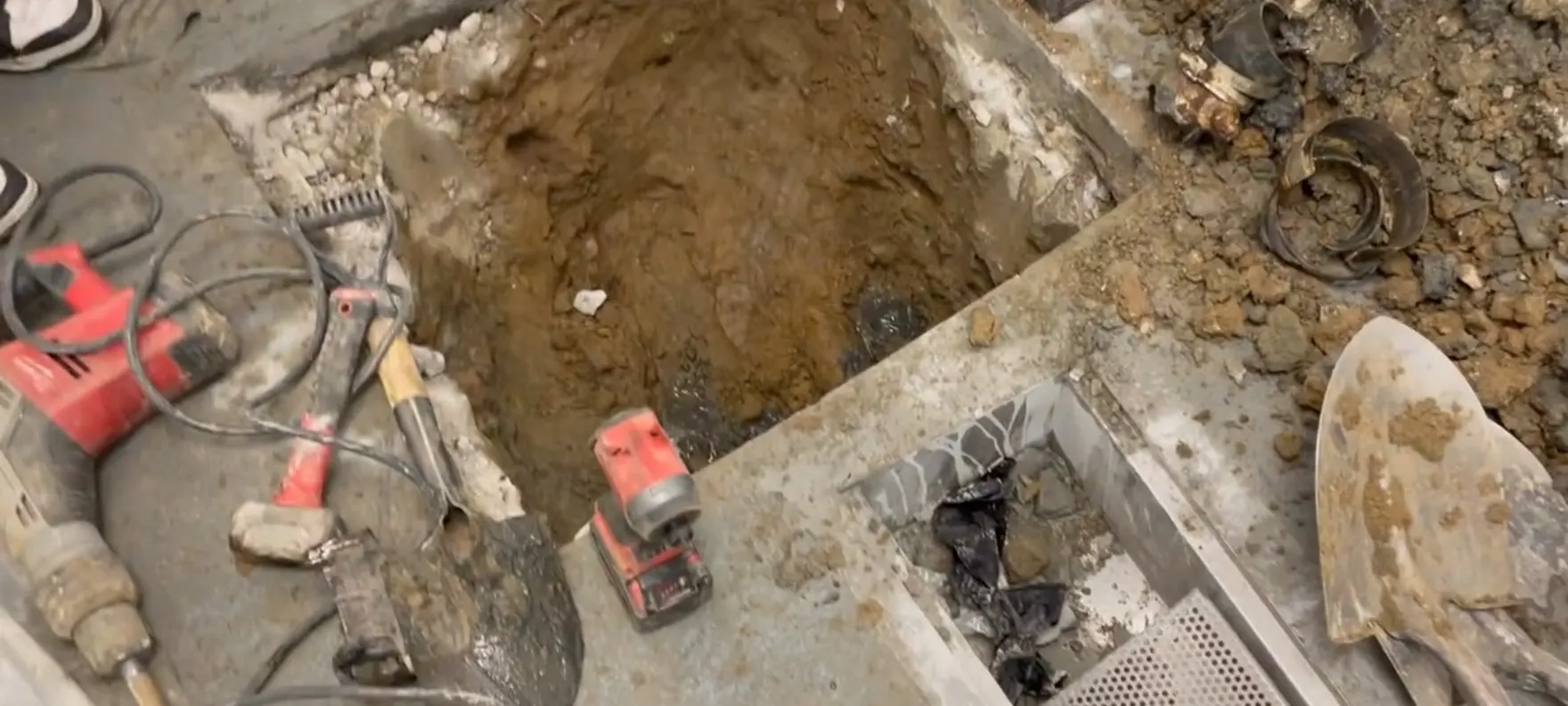
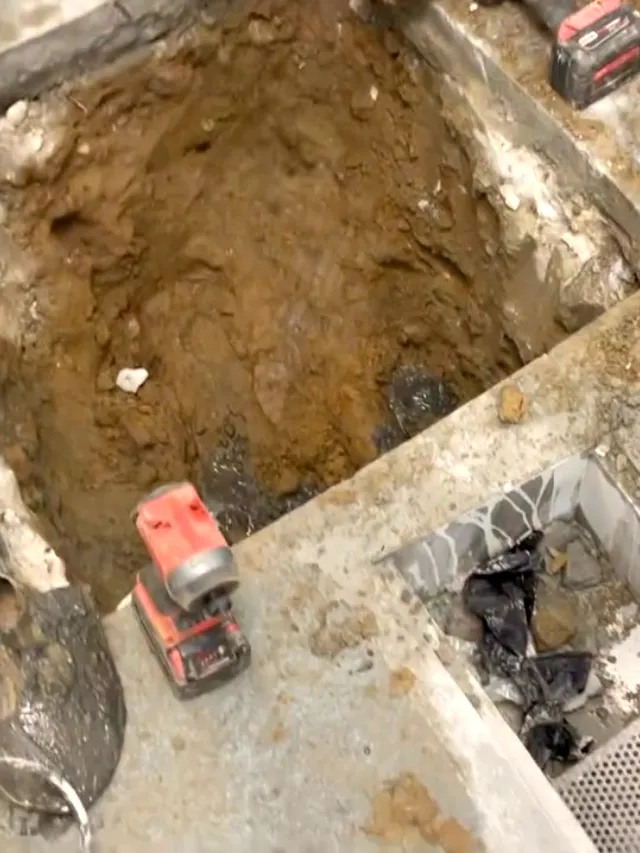
A replacement is decided on the camera run and located from the surface, so the excavation is a trench where the fault is rather than a search. Inside, that means containment first, then breaking out the floor, digging to the line, cutting out the failed length and coupling in new pipe with shielded no-hub bands, graded and bedded properly and inspected before anything is closed. Outside, it is the same work with a machine and a spoil pile instead of a plastic room.
The part people remember afterwards is the making good. The trench is backfilled and compacted in lifts rather than tipped back in loose, because a trench that settles takes the new floor down with it. Concrete goes back, containment comes down, and the yard is left as close to how it was found as digging a hole in it allows. One of the reviews on this site is somebody saying exactly that, and it is the standard the job is held to.
Decided by
The camera, not a guess
Run and located first, so the dig lands on the fault instead of hunting for it.
Inside work
Contained before it opens
Plastic floor to ceiling on kitchens and occupied rooms, up before the first cut.
Backfill
Compacted in lifts
A trench tipped back in loose settles, and takes the new slab with it.
Put back
Floor, ground, yard
The making good is part of the job, not an extra somebody else comes to do.
Book a visit
Which fixtures are affected and roughly how long it has been going on is enough to start with. If it is backing up right now, the phone is faster than the form, and it is answered at any hour.