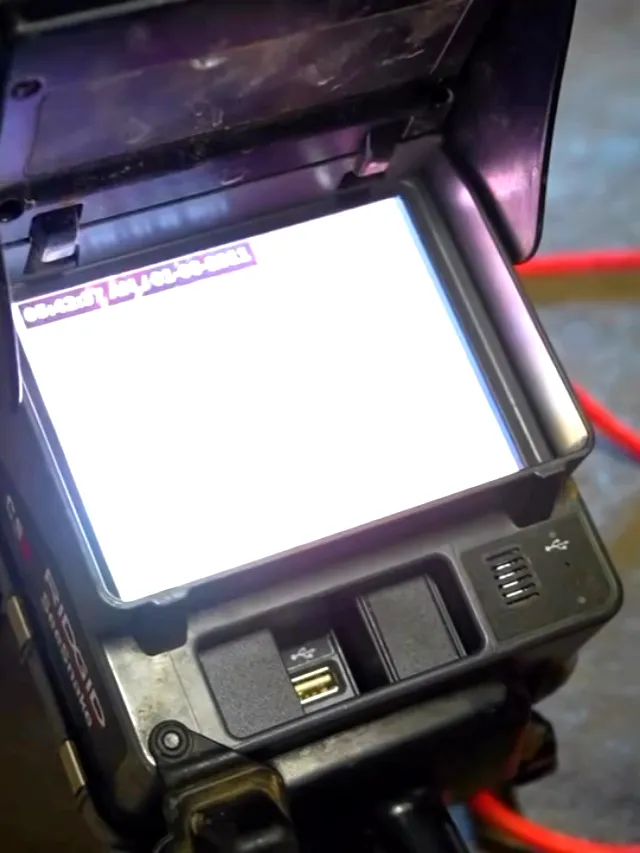
Camera Inspection
A camera down the line before anyone quotes a repair, so you are looking at the pipe and not an opinion.
Grease does not sit in a lump waiting to be punched through. It plates onto the pipe wall, cools, and closes the bore from every side at once, a little more each week. Push a cable through it and you get a hole the width of the cutting head: the sink drains that afternoon and the line is right back where it was inside a season. That is the visit nobody should be paying for twice a year.
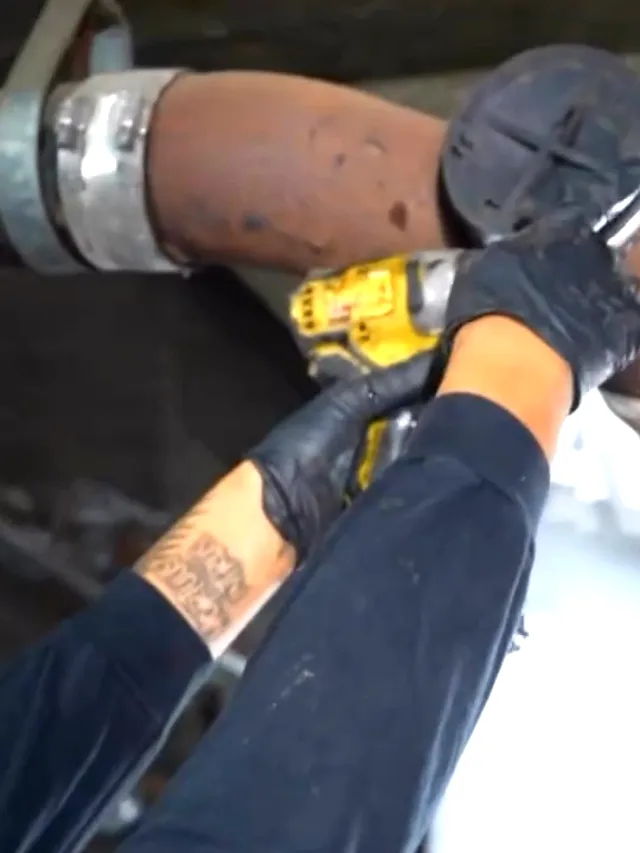
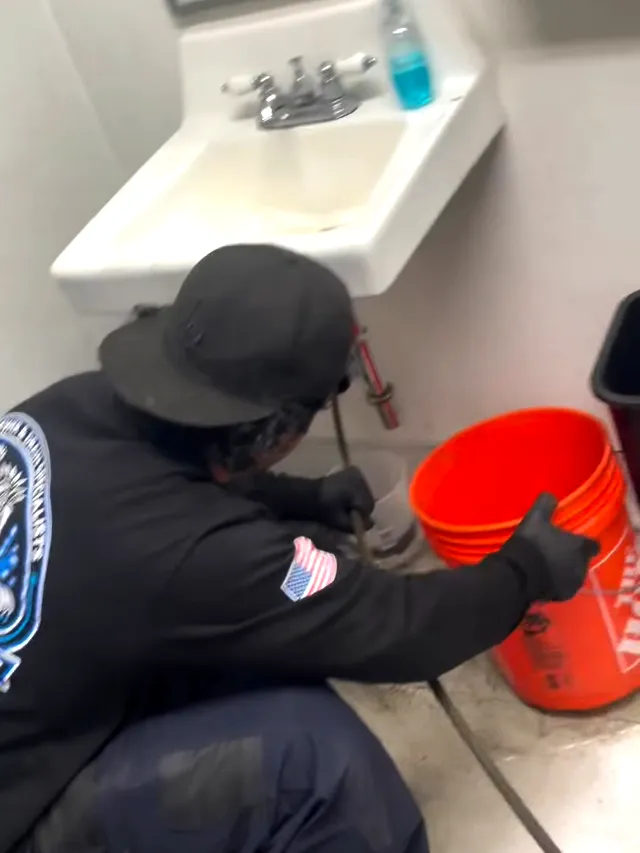
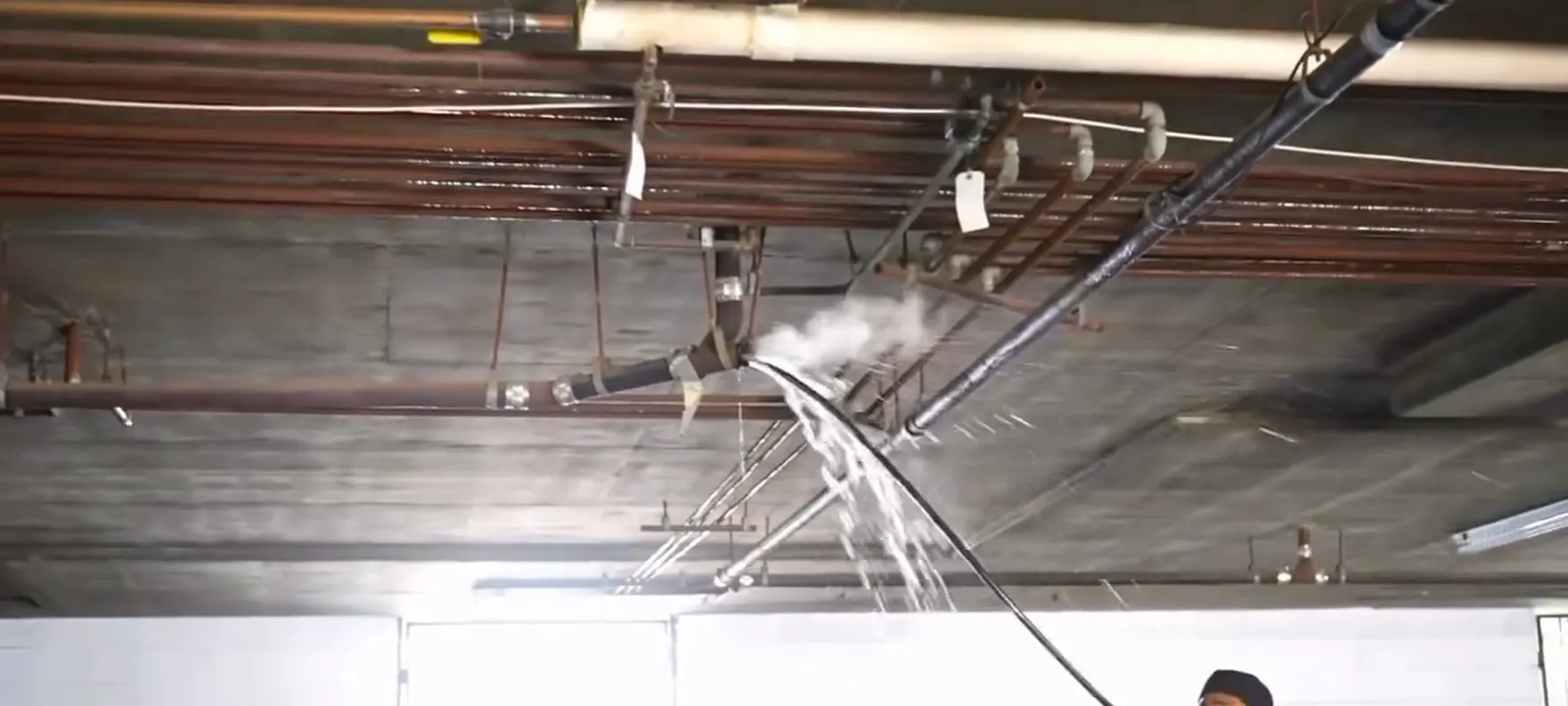
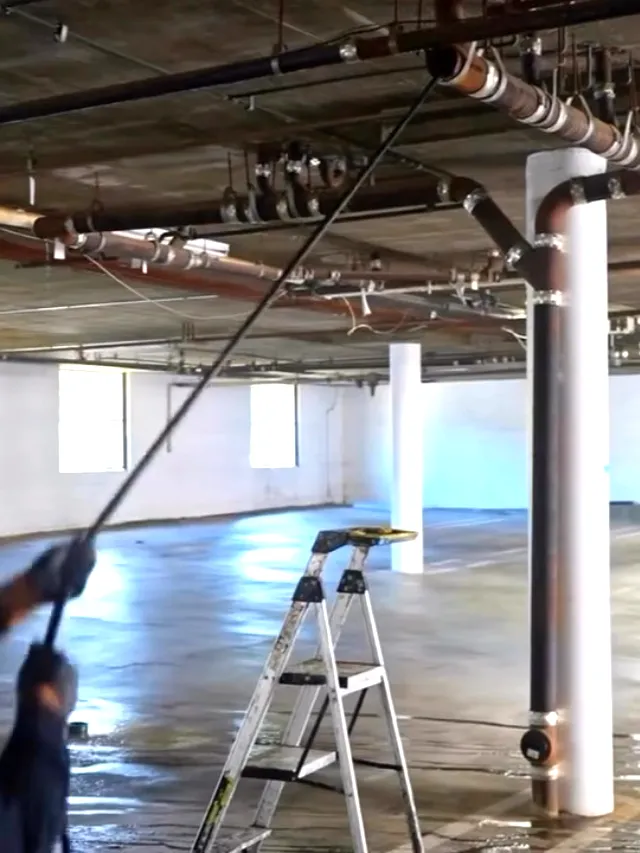
Jetting works the other way round. A hose is fed up the line and water leaves the nozzle backwards at pressure, so the head walks itself along the pipe and the jets strip the wall as it goes. What comes off is flushed down ahead of it and out. The nozzle is chosen for the job, a penetrating head to open a plug or a flushing head to scour the full circumference, and the pressure is set for what the pipe can take, because old cast iron and thin ABS are not the same material.
It is the right tool on restaurant lines, on apartment stacks that serve a lot of kitchens, on parking-structure and area drains that have been silting up for years, and on any residential line that has been cabled more than once. It is not the right tool on a pipe that is already broken, which is why the camera goes in first on anything with a history.
What it removes
Grease, sludge, scale, silt
Off the wall of the pipe, not a bore through the middle of it.
Pressure
Set to the pipe
Cast iron, clay, ABS and PVC do not all take the same nozzle or the same pressure.
Best on
Anything cabled twice
Restaurants, apartment stacks, area drains, and any line with a history.
Checked after
Camera down the clean line
A jetted pipe is worth looking at: it is the one time you can see the wall.
Book a visit
Which fixtures are affected and roughly how long it has been going on is enough to start with. If it is backing up right now, the phone is faster than the form, and it is answered at any hour.