Sewer Mainline
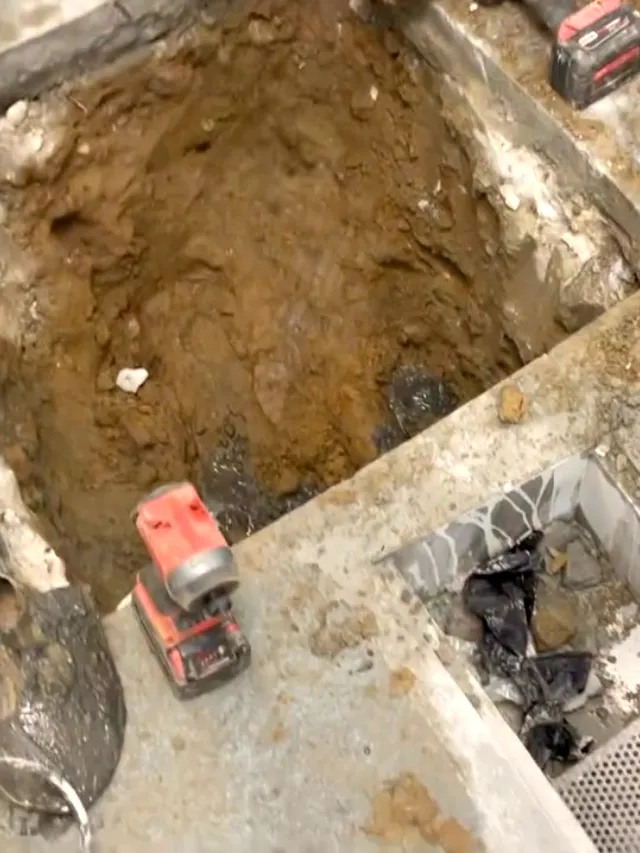
Broken, bellied and offset line dug out and replaced, from the fixture to the city connection.
Trenchless is not a way of avoiding the truth about a pipe, it is a way of avoiding the trench. The line is cleaned back to bare wall first, usually jetted and sometimes cut, then a resin-saturated liner is pulled or inverted into place and cured hard against the inside of the host pipe. What you end up with is a jointless pipe inside the old one, and joints are where roots and infiltration get in.
It suits a long straight run under something expensive to open: a concrete drive, a finished slab, a mature garden, a car park, the floor of a trading restaurant. It is quicker than an open dig on those runs and it leaves the surface untouched, which on some properties is most of the cost of the job.
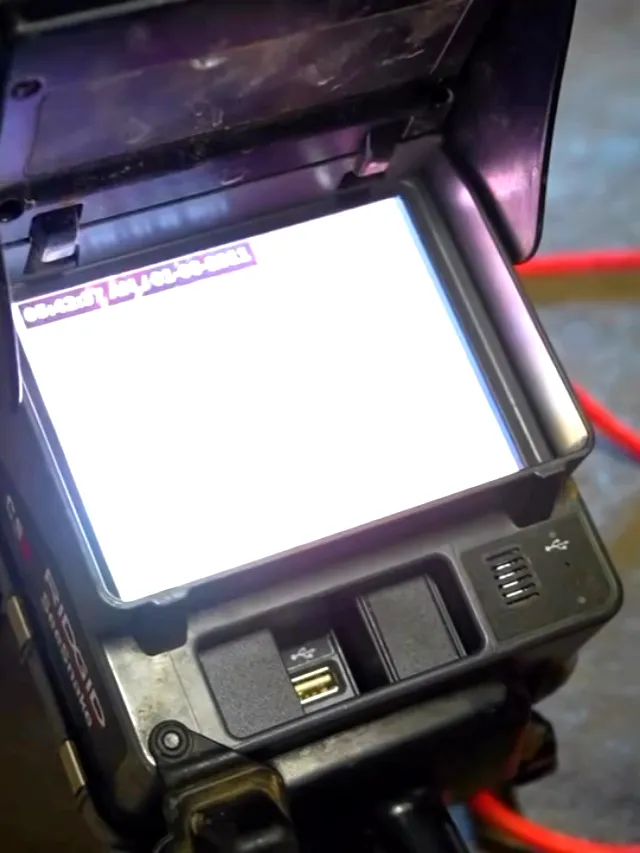
It is not always the answer, and you will be told when it is not. A pipe that has collapsed, that has separated at a joint, or that has a serious belly cannot be lined: a liner follows the shape it is cured against, so a low spot stays a low spot and a break with soil washing into it needs to be dug. That decision is made off the camera run, in front of you, before anyone quotes either method.
Leaves in place
Drives, slabs, planting
The reason to line rather than dig is the surface over the top of the run.
Result
A jointless pipe
Cured against the host wall. No joints is no easy way in for roots.
Prep
Cleaned to bare wall first
A liner is only as true as the pipe it is cured inside.
Not for
Collapses and bellies
A liner follows the shape it finds. Said before the quote, not after.
Book a visit
Which fixtures are affected and roughly how long it has been going on is enough to start with. If it is backing up right now, the phone is faster than the form, and it is answered at any hour.